

Local law enforcement agencies from suburban Southern California to rural North Carolina have been using an obscure cellphone tracking tool, at times without search warrants, that gives them the power to follow people's movements months back in time, according to public records and internal emails obtained by The Associated Press.
People are also reading…

A cruiser sits in a parking lot outside police headquarters in Greensboro, N.C., on Wednesday, June 22, 2022. The city decided to let lapse its contract with Fog Reveal, a powerful phone-tracking tool that some advocates fear violates people's privacy rights.

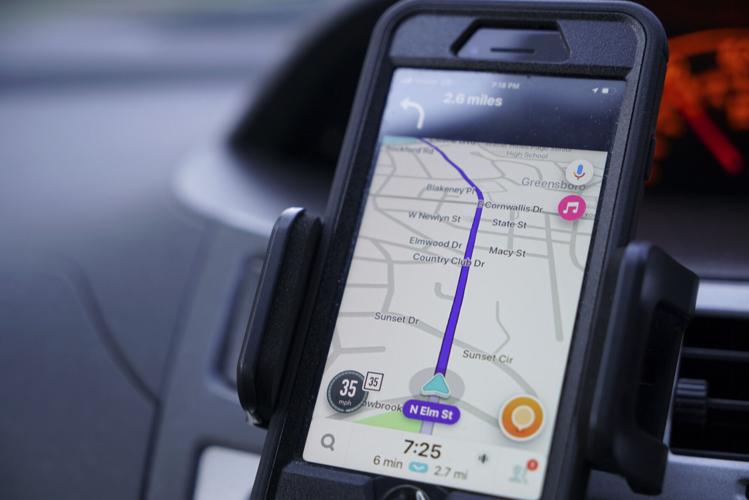
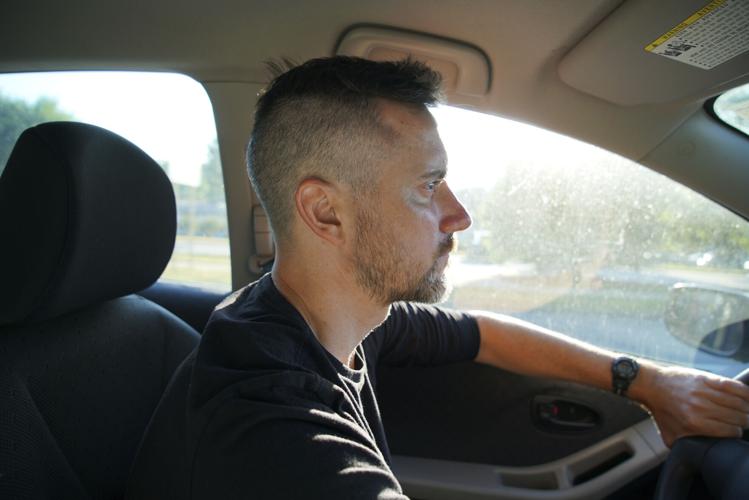
Former police data analyst Davin Hall uses the Waze navigation app while driving through Greensboro, N.C., on Wednesday, June 22, 2022.
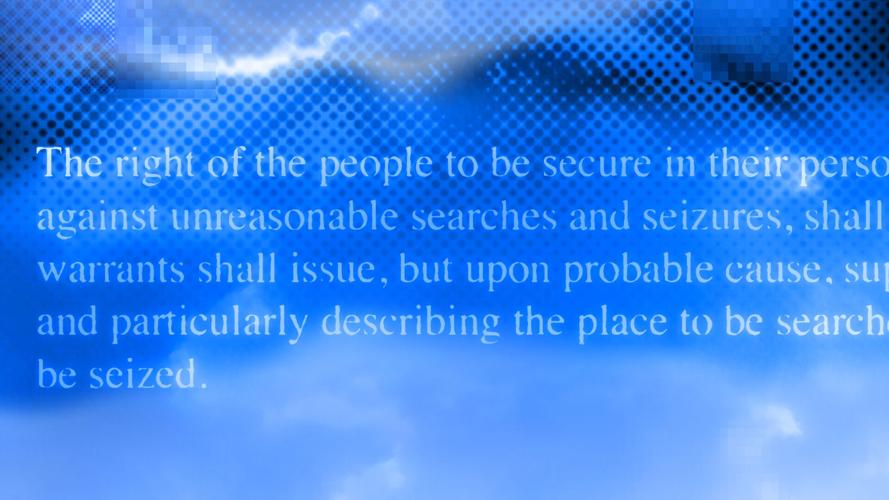
Police around the country are using a powerful but relatively inexpensive cellphone tracking tool to solve crimes. And in some cases, they have used it to track people without a search warrant. All mobile devices are assigned what's called an advertising identification number, a unique code that allows apps with location services to target consumers with promotions. For as little as $7,500 a year, Virginia-based Fog Data Science offers a service called Fog Reveal that uses that ad-ID to track a device's wanderings, when location services are enabled. Documents reviewed by The Associated Press show that Fog heavily markets its product to law enforcement. The company promotes what it calls a "pattern of life" analysis, which can stretch back months. Public records specialist Bennett Cyphers, an advisor with the Electronic Frontier Foundation, calls Fog Reveal "sort of a mass surveillance program on a budget." He and others believe police use of the platform without a warrant is a violation of people's Fourth Amendment rights. In a written response to The Associated Press, Fog said it cannot disclose information about its customers. The company said it does not access or have anything to do with personally identifiable information and is leveraging commercially available data. Arkansas prosecutor Kevin Metcalf says Fog simply uses data that people give away for free, and that it is most useful in cases where time is of the essence. Metcalf also leads the National Child Protection Task Force, a nonprofit that combats child exploitation and trafficking. Metcalf says Fog, which is listed as a task force sponsor, has been invaluable to cracking missing children cases and homicides. Metcalf also shared his Fog account in the 2020 search for a missing nurse. Documents reviewed by AP show it has been used by agencies as diverse as the U.S. Marshals and a sheriff's department in a North Carolina county with just 91,000 residents.


Former police data analyst Davin Hall quit the Greensboro, N.C., police force in part over its use of Fog Reveal, a powerful cellphone-tracking tool. “The capability that it had for bringing up just anybody in an area whether they were in public or at home seemed to me to be a very clear violation of the Fourth Amendment,” Hall said.


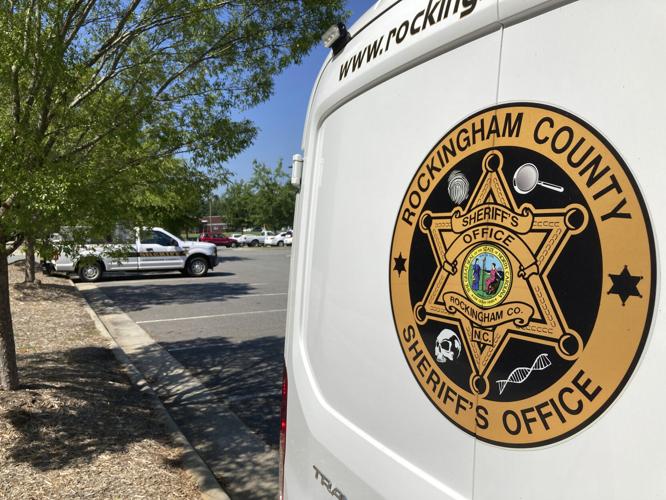
A crime scene unit van sits outside the Rockingham County Sheriff's Department in Wentworth, N.C., on Saturday, July 23, 2022. The rural county of just 91,000 residents subscribes to the powerful Fog Reveal service, which gives police the power to track cellphones, sometimes without a warrant.

A lamp shines outside police headquarters in Greensboro, N.C., on Wednesday, June 22, 2022. The city recently let lapse its contract for Fog Reveal, a powerful cellphone-tracking tool that some advocates fear violates people's privacy rights.

AP National Writer Allen G. Breed contributed from Greensboro, North Carolina. Dearen reported from New York and Burke reported from San Francisco.
This reporting was produced in collaboration with researchers Janine Graham, Nicole Waddick and Jane Yang as well as the University of California, Berkeley's Human Rights Center Investigations Lab and School of Law.